I’ve been looking forward to the release of Bikini Body Workouts for quite a while. I’ve been a big fan of Jason Ferruggia’s workout and diet plans for years so I was glad to see his wife create a product specifically for women. Let me start the review by explaining what you get when you order this program:
Program Components
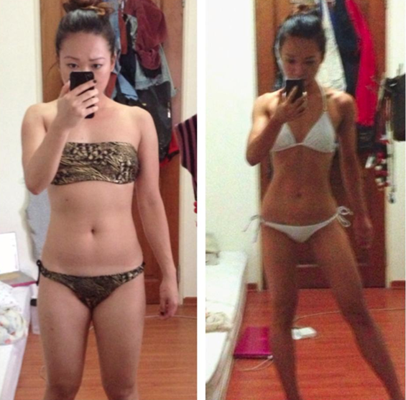
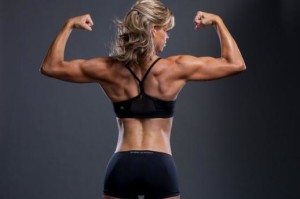
Bikini Body Workouts Guide: This document explains how you can safely and effectively build a strong, feminine physique through resistance training. You need not worry about getting big or muscular from this type of training: as you can see by Jen’s picture, this program is designed help you get lean and have that fitness model look.
The workouts utilize non-competing, antagonistic, alternating supersets. This means you’ll do a exercise, rest for about sixty seconds, then exercise a different muscle group. This type of training is ideal for burning fat and is a great strategy for female trainees. I’ve used a similar style of training myself when I need to drop some fat and I can assure you that it is effective. But keep something in mind here: working out this way is intense and it will challenge you if you do it properly.
This manual also explains how to incorporate cardiovascular training (both high and low intensity) into your schedule. Women sometimes put too much emphasis on cardiovascular training, but this plan shows you how to have a more balanced approach.
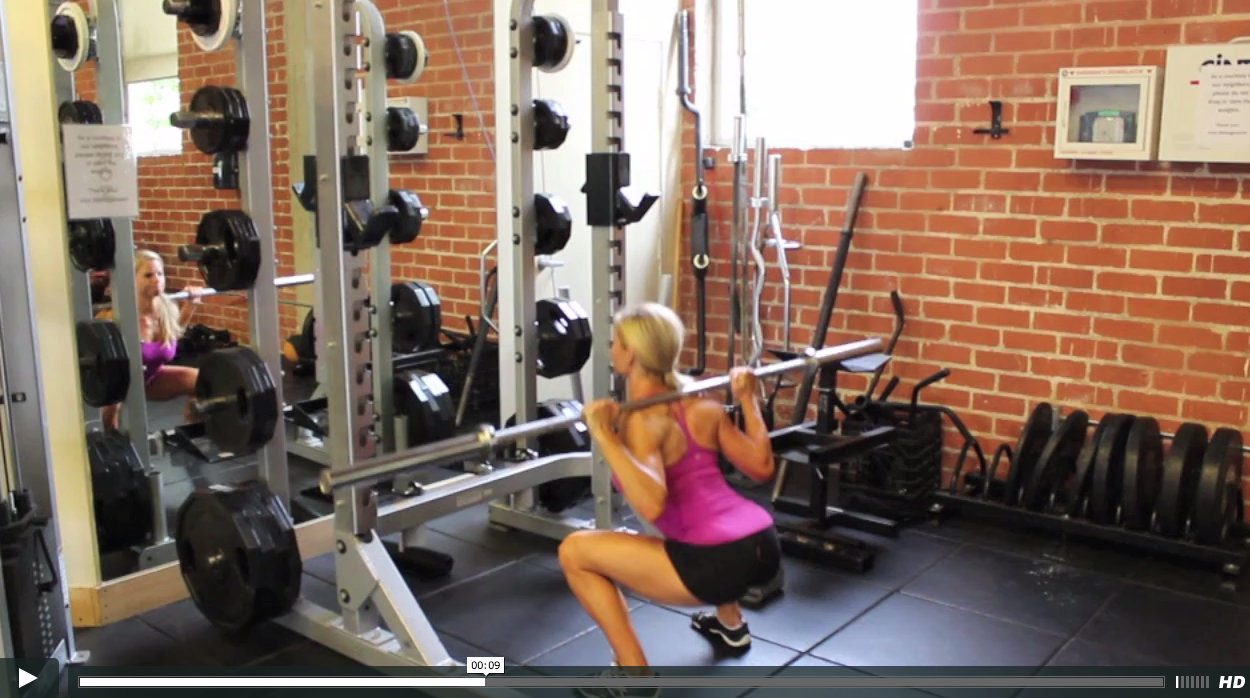
Another feature I should note is the video library. Users can access video demonstrations of all the exercises. The video library is also an easy reference point to see what you’ll be doing on a given workout–the videos are grouped together by training day. I think you’ll find that there’s something motivational about being able to watch the workouts instead of just seeing the written description of the exercises.
Bikini Body Nutrition Guide: As I’ve said many times, no fat loss or muscle building program is complete unless you are eating properly. This guide explains how to set up a nutrition plan from scratch: what type of foods to eat, what to avoid, the best way to time your meals, etc. I think this would be especially helpful for a beginner who needs to know the basics of fat loss.
Please do not ignore the nutrition guide if you decide to buy this program. Much of your success in losing fat will depend on the dietary adjustments you make. You won’t see a complete transformation without changing what you eat.
Note: Specific brands of supplements are recommended in this manual. I’m sure the brands they recommend are fine, but I would advise you to shop around and see if their are more cost-effective alternatives (I’ve always been a minimalist when it comes to supplements).
21-Day Booty Blast Manual: This is a specialization program for women who want to focus on training their glutes. The exercises are designed to be done 10 minutes a day, every day, for twenty one days. You could, of course, do the program longer if you have not yet achieved the desired result. Needless to say, most women are interested in building a firm, round backside. This extra training guide will be very helpful for that goal.
REVIEW:
This program is what I’ve come to expect from Ferruggia–simple, straightforward, and effective. I like the way they have set up weight training, cardiovascular training, and nutrition so women will be able to completely transform their bodies. Let me tell you who I think this program is best suited for:
*Women who are interested in losing fat. This is the primary goal most female trainees have in mind when they start dieting or going to the gym. Jen Ferrugia’s workout plan can definitely help you with this.
*Women with access to basic gym equipment (fancy equipment is not required, but a gym membership would be ideal). Remember that resistance training is a key component of this bikini body workout plan.
*Women who are willing to train consistently and intensely. As I’ve mentioned before, the routines in this program are physically challenging. Otherwise they would not be so effective.
*Women who are willing to make overall lifestyle changes (diet, etc.) in order to transform their bodies.
If this describes you then I think Bikini Body Workouts would be a worthwhile investment–you get a lot of quality training/nutrition information at a very reasonable cost (it costs less, for example, than Kayla Itsines’ Bikini Body Guide). Just keep in mind that there’s no such thing as a “shortcut” or “magic bullet when it comes to true body transformation. This is a great program, but you’ll have to apply yourself and put in both the work and planning for it to work for you. Just CLICK HERE to get this program for only $29.99.